Why More People With Sciatic Nerve Pain Are Rethinking the Usual Treatments
Painkillers and months of physical therapy don't work for everyone. A different approach — one that targets the nerve pathway itself, not just the flare-up — is starting to get more attention.
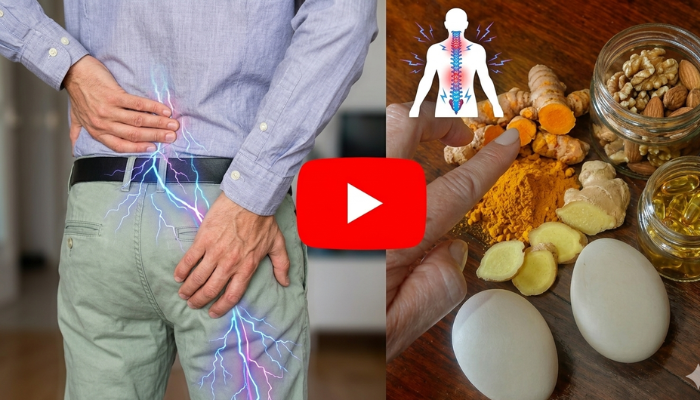
If you've dealt with sciatic nerve pain, the routine is familiar: a round of anti-inflammatories, maybe a referral to physical therapy, weeks of stretching — and then that sharp, shooting pain down the leg comes right back. It's stubborn, it's disruptive, and for a lot of people, the standard options just don't hold up.
Why Sciatic Pain Is So Hard to Get Rid Of
Sciatic nerve pain doesn't just show up in one spot. It travels — from the lower back, through the hip and glutes, and down the back of the leg — because it follows the path of the sciatic nerve itself, the longest nerve in the body. That's exactly why so many surface-level treatments underperform: they're designed to calm inflammation in the moment, but the underlying irritation along the nerve pathway is often left untouched.
Prescription options like muscle relaxants or stronger anti-inflammatories can dull the pain more directly, but they come with real trade-offs: drowsiness, dependency concerns with long-term use, and relief that tends to fade once the medication wears off.
"The nerve pathway is long and easily irritated. Managing sciatica often means supporting that entire pathway over time, not just numbing the pain when it flares." — A physical therapist's perspective on chronic nerve-related back pain
A Different Angle Is Getting Attention
Instead of focusing only on masking pain during a flare-up, some newer approaches are built around supporting the nerve pathway and surrounding muscles consistently — working with the body's natural recovery process rather than only chasing symptoms after they appear. It's a slower, more patient-driven process than a quick fix, but it's a different starting point than most people are ever shown after a five-minute doctor's visit.
There's now a structured, at-home method built around this approach that's been getting attention from people who've already tried the standard stretch-and-wait routine without much luck.
What's different about it
- Works with the nerve pathway and surrounding muscles, not just the flare-up
- Applied at home, without a prescription
- No muscle relaxants or long-term medication involved
- Built around consistent, simple daily use
To be clear: sciatic pain varies a lot in severity and root cause, and there's no single approach that works instantly for everyone — supporting a long nerve pathway simply takes time and consistency. But it's a different way of thinking about the problem than "stronger pill, longer wait," and enough people have been asking about it that we wanted to look into how it actually works.
Curious how this sciatic nerve support method actually works?
See How It Works →Takes about a few minutes to learn through
Frequently Asked Questions
Why does sciatic nerve pain keep coming back after treatment?
Sciatic pain often originates deep along the nerve pathway, from the lower back through the hip and down the leg. Surface-level treatments like heat, stretching, or short courses of medication can ease symptoms temporarily without addressing the underlying irritation, which is why the pain tends to return.
What is the difference between treating symptoms and treating the root cause of sciatica?
Symptom-focused treatments, like painkillers or muscle relaxants, aim to reduce discomfort in the moment. Root-cause approaches focus on supporting the nerve pathway and surrounding tissue over time, working with the body's natural recovery process rather than only masking the pain.
Can sciatic nerve pain be managed without prescription medication?
Some people explore structured, non-prescription routines built around consistent daily habits that support the nerve pathway. Results vary by severity and individual case, and it's worth discussing any new approach with a healthcare provider.